Slab Leak Detection in Manteca, CA
Guessing where a subterranean pipe is leaking leads to demolished flooring and compromised foundations. Our specialized acoustic diagnostic protocols pinpoint water leaks under concrete slabs within inches, protecting your home before any physical excavation begins.
The Scientific Approach to Slab Leak Detection in Manteca
When you discover damp flooring, hear phantom running water, or notice your city water bill skyrocketing, the immediate temptation for inexperienced contractors is to start breaking open the concrete floor where the puddle appears. However, water travels along the path of least resistance. Under a level concrete foundation, pressurized water from a burst pipe can travel 20 to 30 feet through gravel beds, sand layers, and plumbing trenches before finally breaching the surface in an adjacent hallway or bathroom.
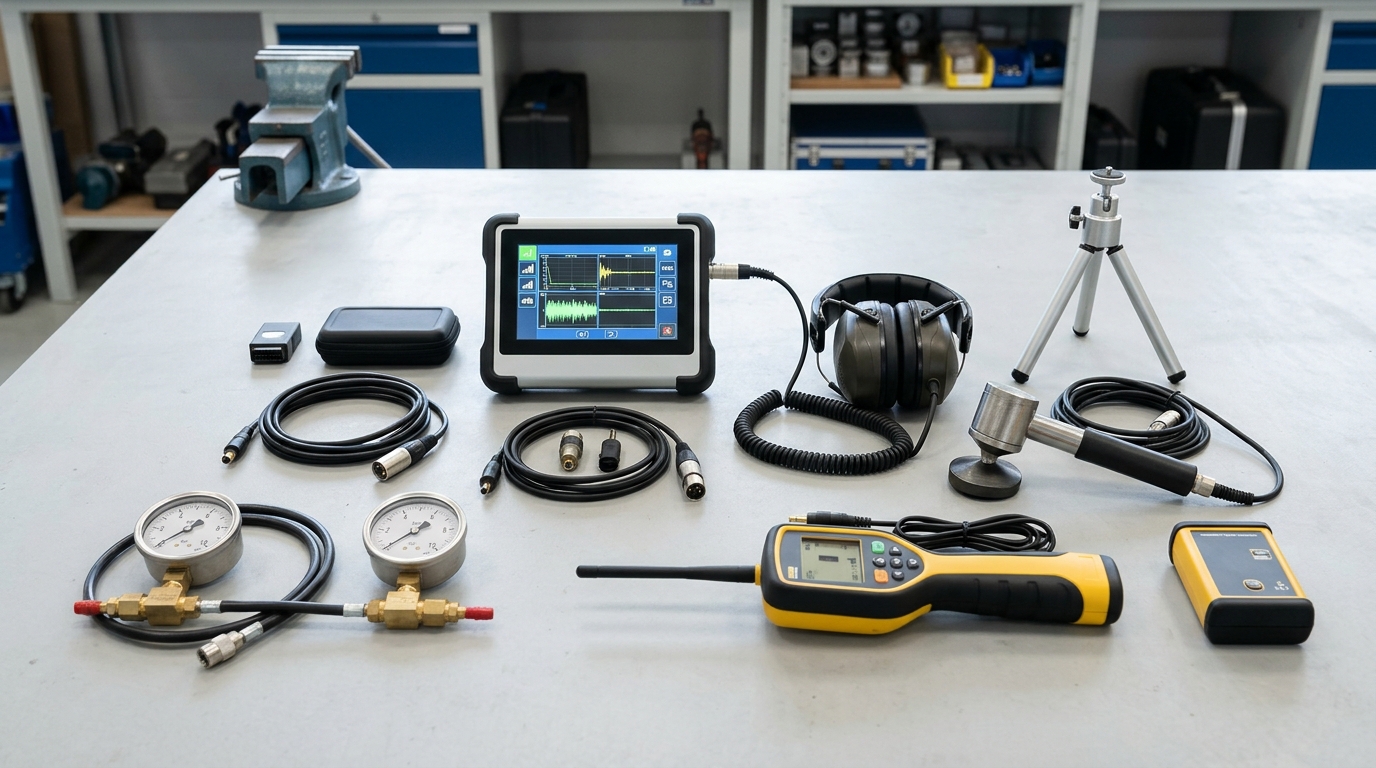
Relying on specialized slab leak detection Manteca services ensures that zero concrete is cracked until the exact origin is scientifically pinpointed. Advanced electronic leak detection Manteca technicians use sound frequency filters, pressure decay meters, and thermal cameras to identify the leak's exact coordinate down to the square inch.
For complete foundation plumbing solutions and repair pathways after detection, see our comprehensive guide to slab leak repair in Manteca.
How to Perform a Preliminary Water Meter Test
Before calling for electronic acoustic testing, homeowners can easily confirm whether pressurized water is escaping unchecked by performing a simple slab leak test Manteca property owners can execute in five minutes:
Turn Off All Fixtures
Ensure all interior faucets, showers, washing machines, ice makers, and exterior irrigation systems are completely turned off.
Inspect Meter Box
Locate your municipal water meter box near the curb. Open the lid and inspect the flow dial, small red/blue triangle, or digital flow rate indicator.
Check For Movement
If the low-flow dial is spinning or the digital meter displays active gallon usage while every tap is shut, pressurized water is actively leaking.
Isolate the Structure
Shut off the main house shut-off valve. If the meter stops, the leak is located inside the home footprint (often under the slab). If it continues, the yard service line is broken.
Four Non-Invasive Technologies Used During Diagnostics
Locating an active leak under slab detection Manteca challenge requires a multi-tiered diagnostic procedure:
1. Hydrostatic Pressure Testing & Line Isolation
Our specialists disconnect supply lines at manifolds and fixtures, mounting precision analog test gauges. By pressurizing the hot-water loop and cold-water loop independently with regulated air or water, we track pressure decay. This immediately isolates whether the issue is on the cold side or hot water distribution side.
2. Ultrasonic and Acoustic Ground Microphones
As pressurized water forces its way through a microscopic fissure in copper or PEX tubing, it produces high-frequency sound waves that vibrate through the surrounding earth and concrete. Using ground microphones and digital frequency amplifiers, our technician sweeps the floor, filtering out ambient room noise until the peak decibel frequency of the leak is isolated.
3. Electromagnetic Pipe & Cable Locating
Underground plumbing rarely runs in straight, intuitive lines. By inducing an electromagnetic signal onto copper water lines, we trace the exact path of the tubing through the foundation. This creates a virtual map of the sub-slab plumbing network.
4. High-Resolution Thermal Infrared Imaging
When hot water lines leak, radiant heat transfers upward through the concrete slab into tiles, hardwood, and carpet. Using thermal imaging sensors calibrated to 0.05-degree variations, we view the hot water bloom beneath your floor in real time. Learn more about hot-water line issues on our hot water slab leak repair page.
Why Pinpoint Accuracy Keeps Demolition to a Minimum
Traditional "search and destroy" plumbing involved contractors chipping exploratory trenches into concrete across multiple rooms in search of a damp pipe. This outdated approach ruins expensive hardwood, shatters imported tile that cannot be color-matched, and introduces silica dust throughout your home's HVAC system.
By pinpointing the exact coordinate within a six-inch radius, any necessary spot repair requires only a minimal, surgical opening. More importantly, accurate diagnostics empower you to evaluate whether an overhead bypass is more cost-effective. Discover how non-invasive overhead lines work on our slab leak reroute page.
What Is Included in Our Written Diagnostic Report?
Following testing, homeowners receive a complete written diagnostic assessment detailing:
• Specific Line Identification: Exact branch, pipe diameter, and whether the hot or cold manifold loop has failed.
• Physical Coordinate Mapping: Architectural sketches and floor markings showing the exact location of the pipe breach.
• Thermal and Acoustic Documentation: Color thermal photographs and decibel readings establishing sudden and accidental failure.
• Actionable Repair Plan: Detailed comparative scopes for direct concrete spot repair versus overhead PEX reroute. This documentation is essential when filing for insurance tear-out coverage.
Explore full details on neighborhood coverage across our Manteca service areas.
Common Questions About Slab Leak Detection
Does slab leak detection damage my floors or walls?
No. Electronic slab leak detection is completely non-invasive. We use acoustic listening sensors on top of flooring, pressure gauges at exterior hose bibs or fixtures, and thermal imaging cameras. No floors or walls are penetrated during the diagnostic phase.
How long does an electronic detection appointment take?
Most single-family residential diagnostic surveys in Manteca take between 1.5 and 3 hours to comprehensively isolate the pressure loop, trace subterranean pipe paths, and pinpoint the acoustic epicenter.
Can you detect leaks under carpet and hardwood floors?
Yes. Specialized acoustic sensors are weighted to register ground vibrations through carpet padding, hardwood, and laminate. For hot-water lines, thermal imaging reads infrared heat blooms through wood and carpet backing with remarkable clarity.